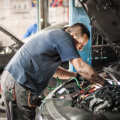
Proper auto maintenance plays a crucial role in keeping vehicles reliable, safe, and efficient. Unexpected breakdowns can happen at inconvenient times, often resulting in costly repairs, missed appointments, and unnecessary stress. Many mechanical failures develop gradually, making routine inspections and preventive maintenance essential for identifying potential problems before they become serious. By following a consistent maintenance schedule, vehicle owners can extend the lifespan of their cars, improve performance, and reduce the likelihood of roadside emergencies. Understanding how different maintenance practices contribute to vehicle reliability helps drivers make informed decisions about caring for their automobiles.
Maintaining Engine Performance and Efficiency
The engine is one of the most important components of any vehicle, requiring consistent attention to operate efficiently. Regular oil changes help lubricate moving parts, reduce friction, and prevent excessive wear. Over time, engine oil loses its effectiveness and accumulates contaminants that may damage internal components. Replacing oil and filters according to manufacturer recommendations helps maintain optimal engine performance. Additionally, checking coolant levels, inspecting belts, and monitoring fluid conditions can prevent overheating and mechanical failures. Addressing unusual noises, vibrations, or warning lights promptly allows vehicle owners to resolve minor issues before they develop into expensive repairs.
Preventing Battery and Electrical System Failures
Battery problems are among the common causes of unexpected vehicle breakdowns. A weak or aging battery may struggle to start the engine, particularly during extreme temperatures. Routine battery inspections help identify corrosion, loose connections, and declining performance. Testing the charging system also ensures that the alternator provides sufficient power to maintain battery operation. Professional service providers, including Complete Auto Maintenance Centers, can help drivers identify developing electrical issues through comprehensive vehicle inspections and diagnostic testing. Maintaining electrical components reduces the risk of sudden starting problems and supports the reliable operation of essential vehicle systems.
Keeping Tires and Braking Systems in Good Condition
Tires and brakes directly influence vehicle safety and overall driving performance. Maintaining proper tire pressure helps prevent uneven wear, improves fuel efficiency, and reduces the possibility of tire failure. Regular tire rotations, wheel alignment checks, and tread inspections further contribute to safer driving conditions. Similarly, braking systems require periodic evaluations to identify worn brake pads, damaged rotors, or declining brake fluid quality. Ignoring squealing noises, vibrations, or reduced braking responsiveness may eventually lead to dangerous situations. Addressing these warning signs early helps maintain dependable stopping power and prevents additional damage to surrounding components.
Establishing a Preventive Maintenance Routine
A structured maintenance routine allows vehicle owners to anticipate service needs rather than react to unexpected failures. Following the manufacturer's recommended schedule provides guidance on fluid replacements, filter changes, inspections, and component servicing. Keeping maintenance records also helps track previous repairs and identify recurring problems. Drivers should remain attentive to changes in vehicle performance, dashboard alerts, and unusual sounds. Regular professional inspections provide additional opportunities to detect hidden mechanical concerns. Ultimately, preventive auto maintenance protects vehicle investments, enhances road safety, and provides greater peace of mind. Consistent care helps drivers avoid inconvenient breakdowns while keeping their vehicles dependable for everyday transportation and longer journeys.