Many drivers associate seasonal vehicle maintenance with obvious concerns such as changing tires before winter or checking the battery during colder months. While these tasks are important, seasonal weather changes influence far more vehicle components than most people realize. Fluctuating temperatures, humidity, rain, snow, ice, road salt, and prolonged heat all place unique demands on mechanical and electrical systems throughout the year. Even gradual shifts between seasons can accelerate wear on parts that may appear to function normally during everyday driving. Understanding how weather affects multiple systems allows vehicle owners to recognize the importance of preventative maintenance before small issues become expensive repairs or unexpected breakdowns.
Temperature Changes Affect Mechanical Performance
As temperatures rise and fall, nearly every fluid and material inside a vehicle responds differently. Engine oil changes viscosity depending on temperature, while coolant must maintain the proper mixture to regulate engine heat efficiently throughout the year. Transmission fluid, brake fluid, and power steering fluid can also perform differently as environmental conditions change. Rubber components such as belts, hoses, weather seals, and suspension bushings expand and contract with repeated heating and cooling cycles, eventually becoming brittle or developing small cracks. Cold weather can reduce battery performance and make engines work harder during startup, whereas extreme summer heat accelerates battery degradation and increases stress on cooling systems. Because these changes occur gradually, drivers often fail to notice declining performance until a noticeable problem develops.
Moisture and Road Conditions Create Hidden Wear
Seasonal weather also introduces moisture-related challenges that affect both the exterior and internal systems of a vehicle. Rainwater, melting snow, road salt, and standing water contribute to corrosion on brake components, exhaust systems, suspension parts, and undercarriage structures. Even vehicles driven carefully may experience accelerated wear if moisture remains trapped in hidden areas over long periods. Windshield wipers, lighting systems, tire tread, wheel bearings, and braking performance all become increasingly important during wet or slippery driving conditions. Seasonal pollen, dust, and airborne debris can clog engine air filters and cabin air filters, reducing airflow and placing additional strain on heating and air conditioning systems. Regular inspections help identify these developing issues before they compromise vehicle safety or reliability. Many drivers rely on trusted repair professionals to evaluate these systems during routine maintenance visits, and Autobahn Automotive Service in St. Charles, IL is an example of a service provider that emphasizes preventative vehicle care to help identify weather-related wear before it becomes more serious.
Preventative Maintenance Keeps Vehicles Ready Year-Round
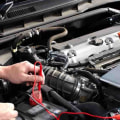
Preparing a vehicle for changing seasons involves much more than responding to obvious mechanical problems. Routine inspections allow technicians to evaluate fluid levels, battery condition, brake performance, suspension components, tire health, cooling systems, and electrical connections before seasonal stress causes failures. Replacing worn wiper blades, checking tire pressure as temperatures fluctuate, inspecting belts and hoses, testing batteries, and ensuring proper coolant protection all contribute to safer and more dependable driving. These relatively simple maintenance steps often prevent larger repairs while improving fuel efficiency, ride quality, and overall vehicle longevity. Rather than viewing seasonal maintenance as an occasional task, drivers benefit from treating it as an ongoing process that adapts to changing environmental conditions. By understanding how every season places different demands on numerous vehicle components, owners can make informed maintenance decisions that improve safety, reduce unexpected repair costs, and help keep their vehicles operating reliably throughout the entire year.